

Amber Fort Jaipur, also called Amer Palace Fort, is a hilltop palace complex about 11 km from Jaipur’s main city. Its four courtyards, sandstone and marble architecture, and historic gates make it a substantial stop among the historical places in Jaipur.
- Setting: A former Kachwaha Rajput capital on a hill outside Jaipur.
- Layout: Four main sections, each with its own courtyard.
- Hours: Visiting hours are 8:00 am–5:30 pm.
How do you get from Jaipur to Amber Fort?
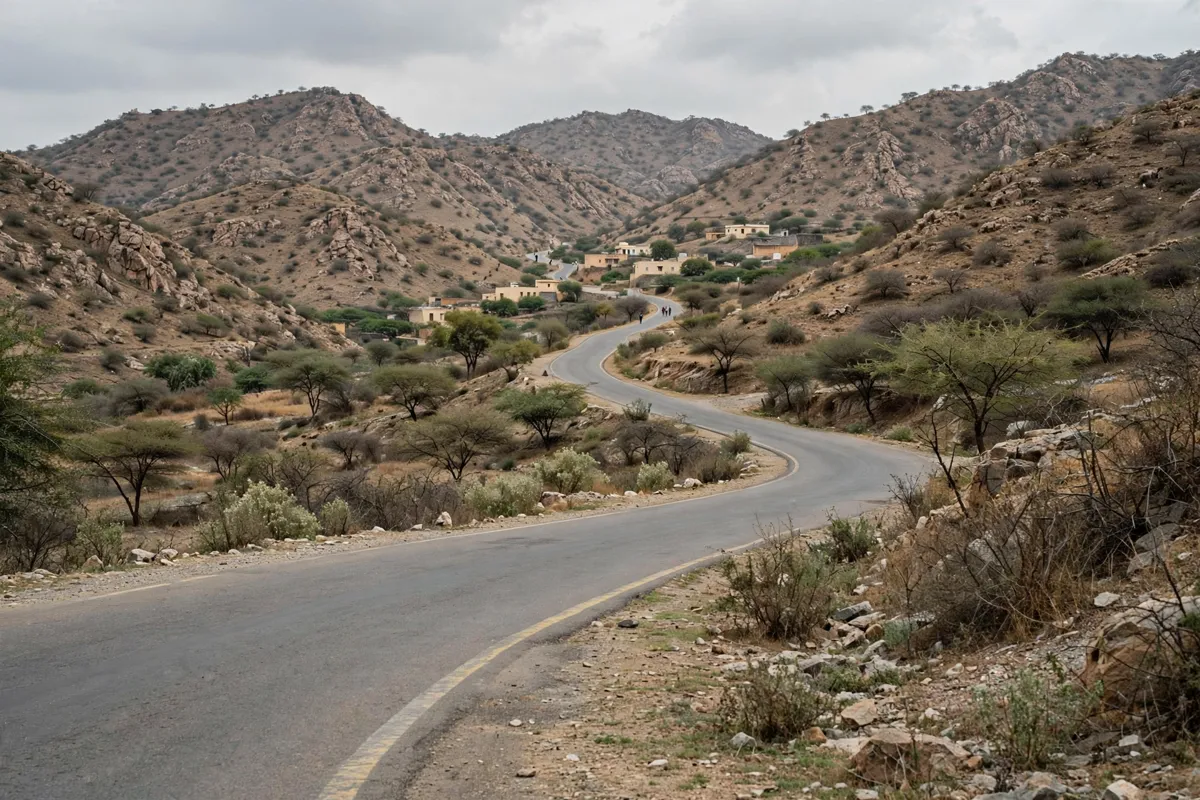
Amber Fort is about 11 km from Jaipur’s main city, and you can reach it by bus, auto-rickshaw or car. From Rawla Mrignayani Palace, the fort is about 100 minutes on foot or about 23 minutes by car.
Rajasthan Tourism says buses leave for Amber Palace from Ajmeri Gate and MI Road, with a journey of around 40 minutes. You can also hire an auto-rickshaw or car from anywhere in Jaipur.
If you are arranging a car, note that arriving by car affects which gate you use: vehicles enter through Chand Pol, while other visitors enter through Suraj Pol.
For a wider route through the Old City, pair the fort with the stops in this one-day Jaipur itinerary.
What are the main courtyards and palaces at Amer Fort?
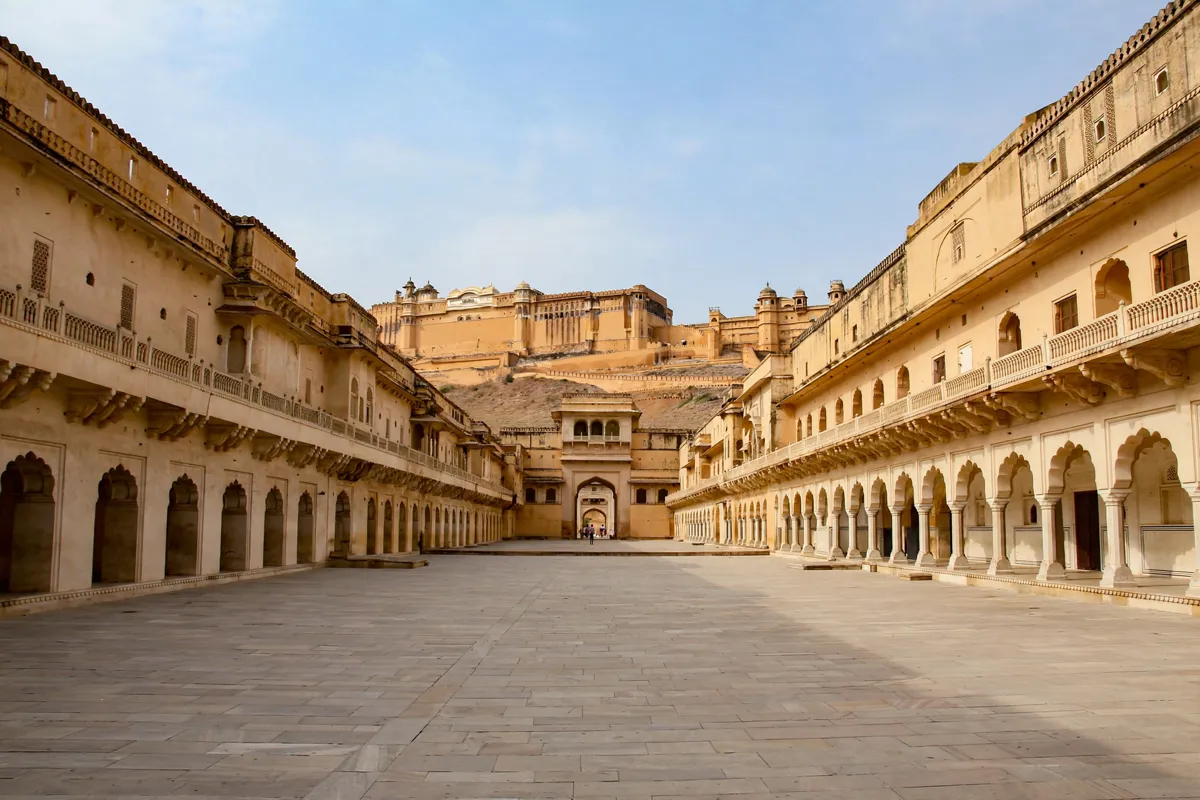
Amer Fort is a four-part palace complex, with each section arranged around its own courtyard. Raja Man Singh I built Amer Palace in 1592; the fort later served as a capital of the Kachwaha Rajputs and is a UNESCO World Heritage Site.
The hilltop complex combines pale yellow and pink sandstone with white marble. Among its named attractions are Diwan-e-Aam, Sheesh Mahal and Shree Mandir. The gates offer a useful starting point for understanding the layout: Suraj Pol and Chand Pol both open into Jaleb Chowk, the main courtyard.
Look for the details of the palace buildings and courtyards as you move through the complex; the layout is not a single hall but a sequence of distinct sections. The surrounding landscape is part of the setting too, with Maota Lake, Dalaram Ka Bagh, Ram Bagh and the terrace garden on Kesar Kyari island among its features.
What should you know about Amber Fort tickets and opening hours?
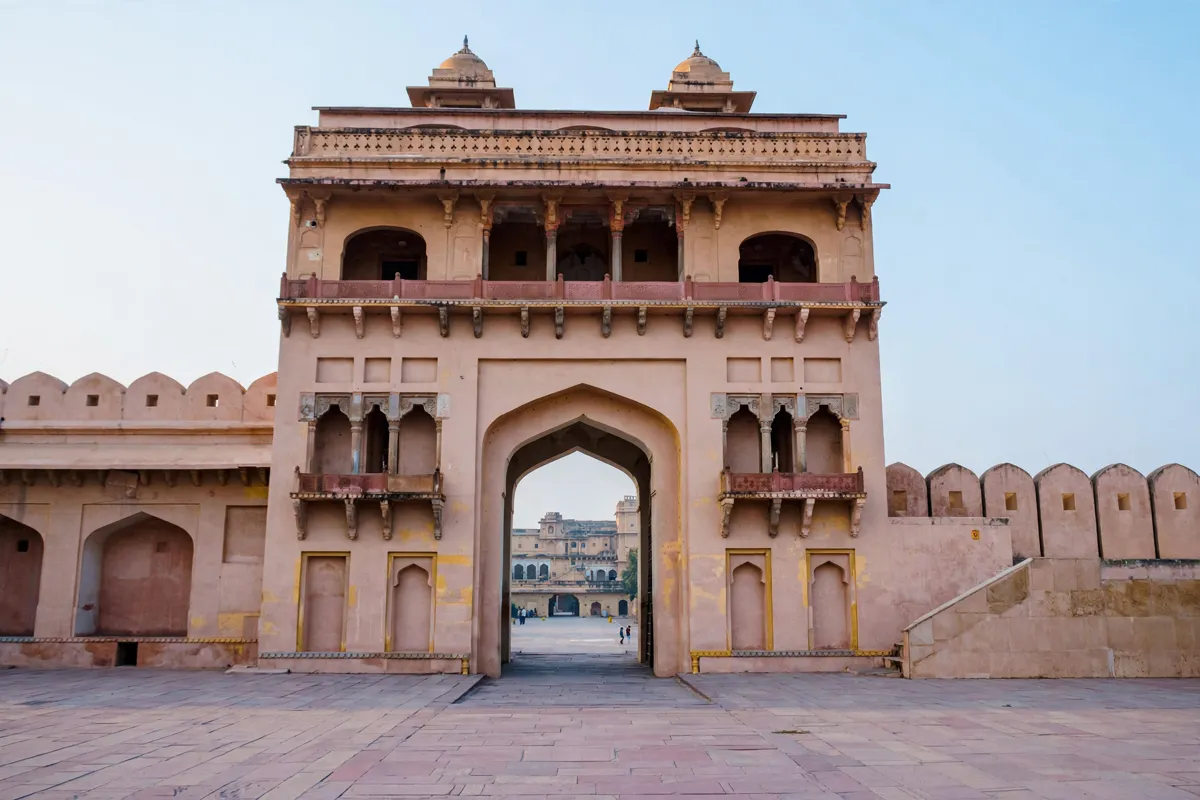
Rajasthan Tourism gives Amer Palace visiting hours as 8:00 am–5:30 pm, and the Archaeological Survey of India says visitors need a valid ticket to enter a ticketed protected monument.
Hours and ticket arrangements can change. Check the official site before you go, and observe the monument’s posted opening and closing times. The Archaeological Survey of India’s general rule is to enter only with a valid ticket.
How should you plan access and movement within the site?
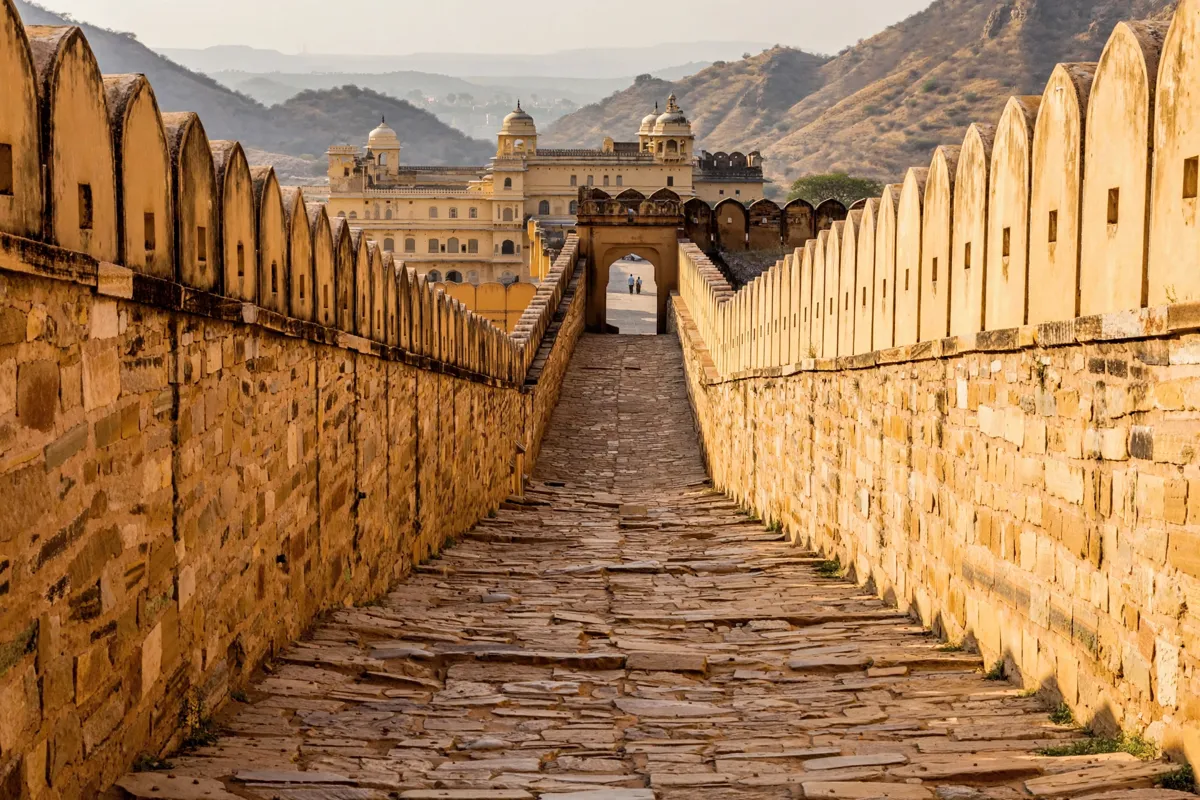
Plan to enter through the gate that matches how you arrive, then use Jaleb Chowk as the main courtyard reference point. Visitors arriving by car enter through Chand Pol; other visitors enter through Suraj Pol.
The complex has four main sections and courtyards, so allow your visit to follow the palace’s layout rather than treating it as one single building. A restored section of underground tunnels connecting Amer Fort to Jaigarh Fort is open to the public. Check current access arrangements locally before making that connection part of your plan.
What else can you see around Amber Fort?
The fort’s surroundings include Maota Lake, gardens and the terrace garden on Kesar Kyari island. Jaigarh Fort is another attraction overlooking Amber Fort, giving you a nearby fort to consider as part of the same outing.
For another hilltop fort in Jaipur, the Nahargarh Fort visitor guide covers routes and planning.
FAQs
Is Amber Fort the same as Amer Fort?
Yes. Amer Palace Fort is also called Amber Fort, and the names Amer Fort and Amber Fort are both used for the site.
How many courtyards does Amber Fort have?
The palace complex has four main sections, each with its own courtyard. Jaleb Chowk is the main courtyard reached from Suraj Pol and Chand Pol.
What are Amber Fort’s visiting hours?
Visiting hours are 8:00 am–5:30 pm. Hours can change, so check the official site before you go.
Can you visit Jaigarh Fort from Amber Fort?
Jaigarh Fort overlooks Amber Fort, and a restored section of connecting underground tunnels is open to the public. Check current access arrangements before relying on the tunnel route.